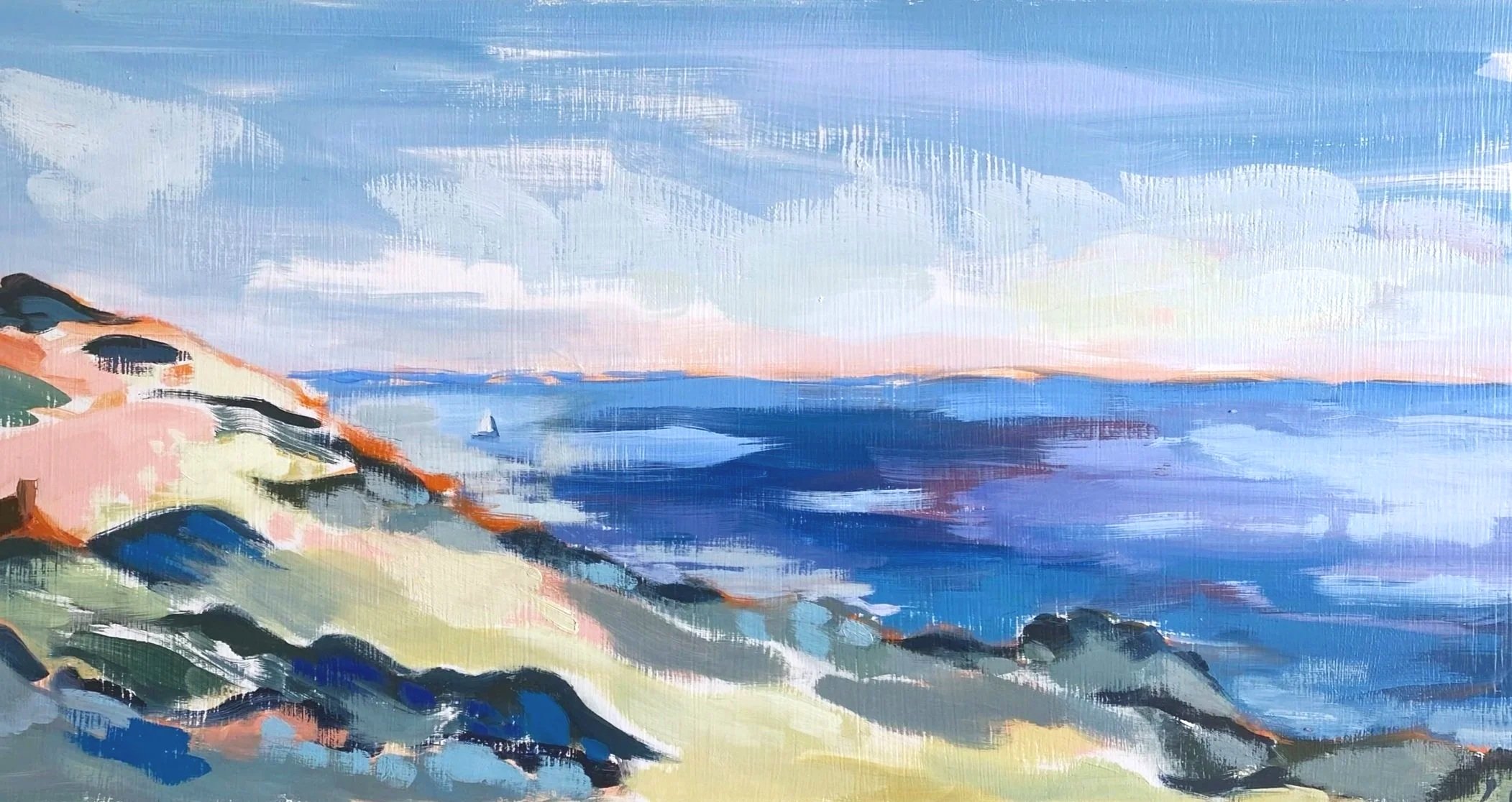
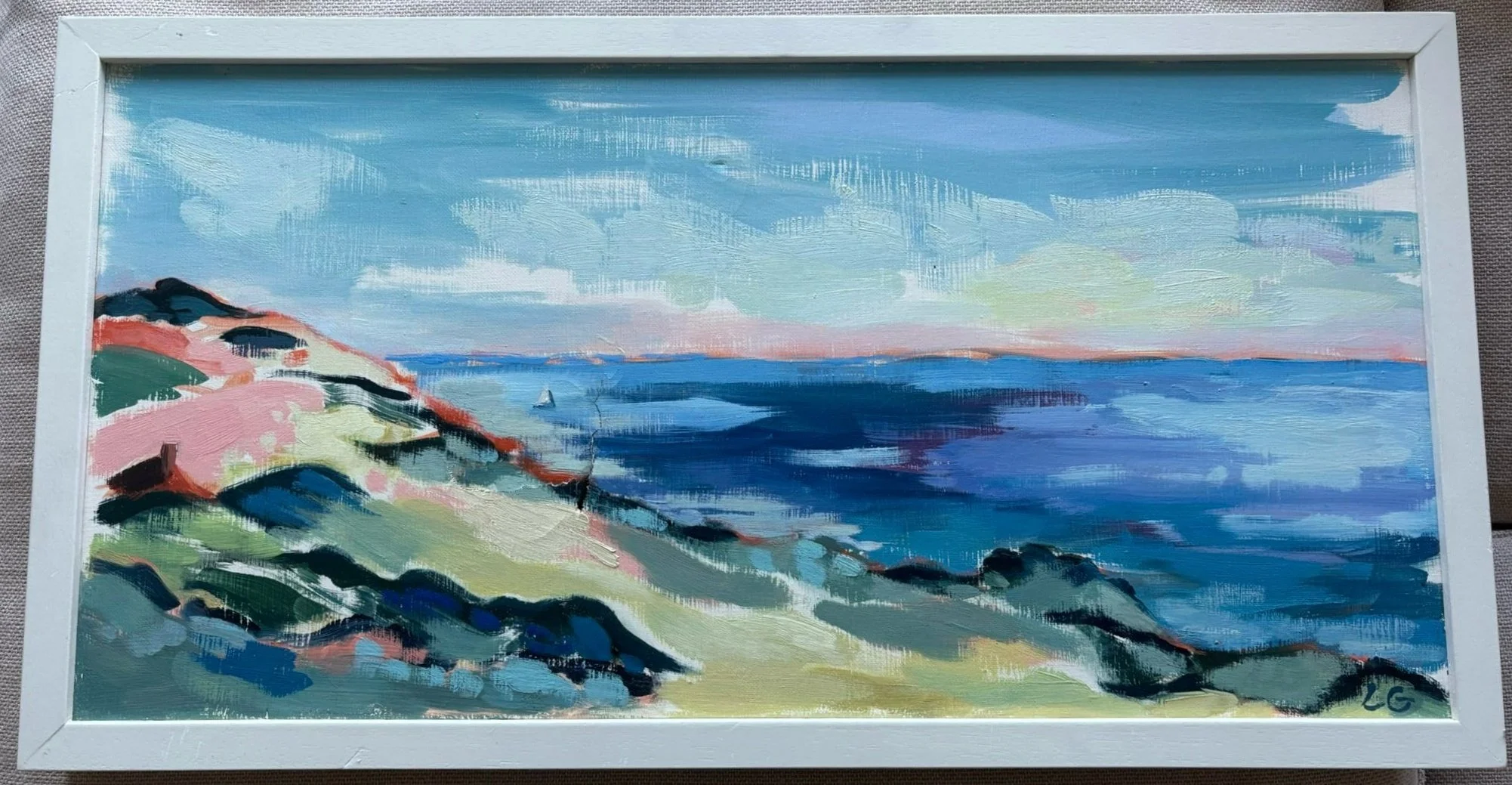
Dorset Seascape
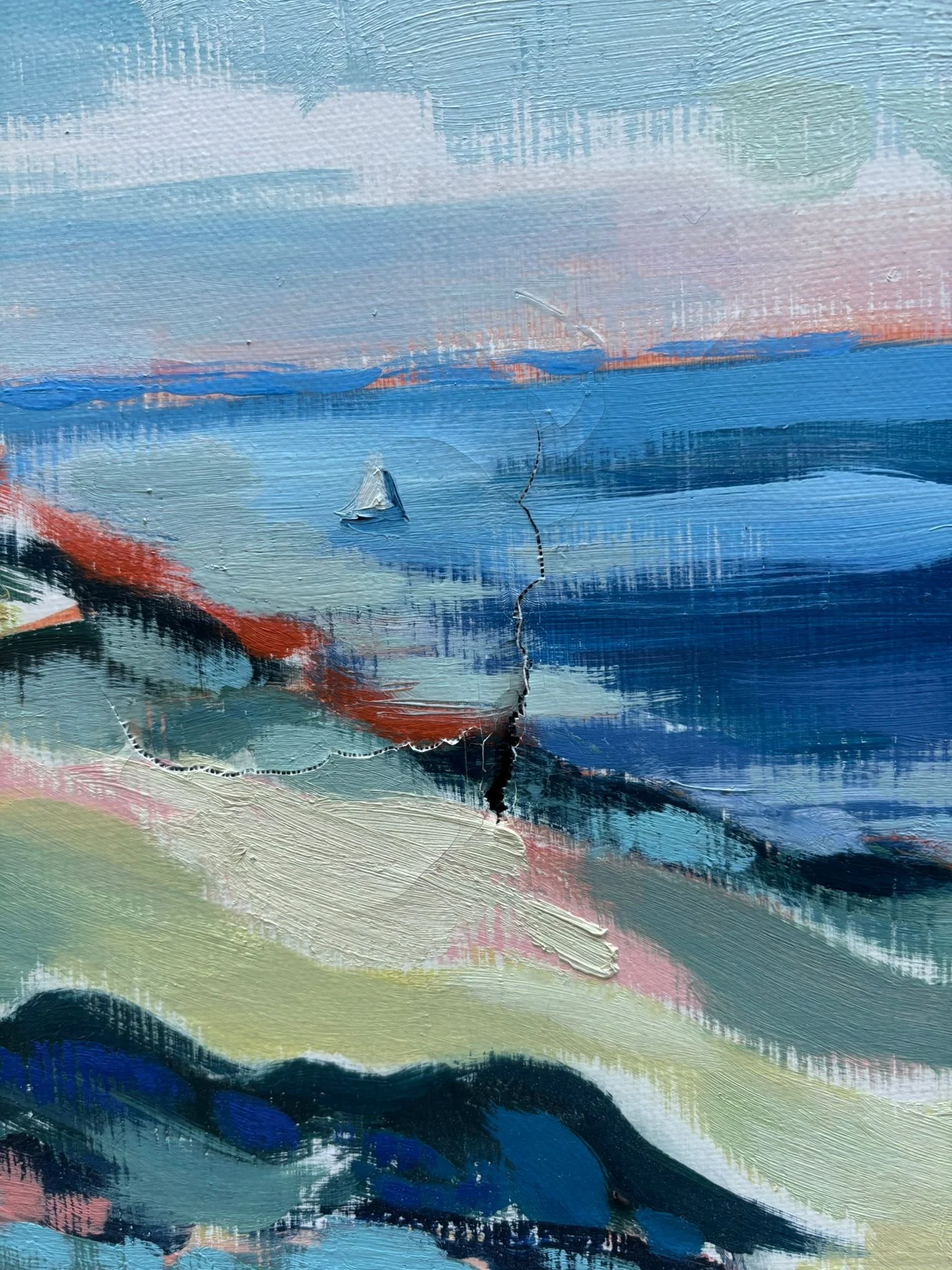
This Dorset seascape painting arrived at the studio requiring significant structural and aesthetic intervention. According to the client, the damage occurred under rather unusual circumstances, attributed to a mischievous resident ghost, resulting in a severe tear extending straight through the central composition.
Beyond the novel story behind its origin, the tear severely compromised the structural integrity of the canvas and required a precise, multi-stage conservation strategy.
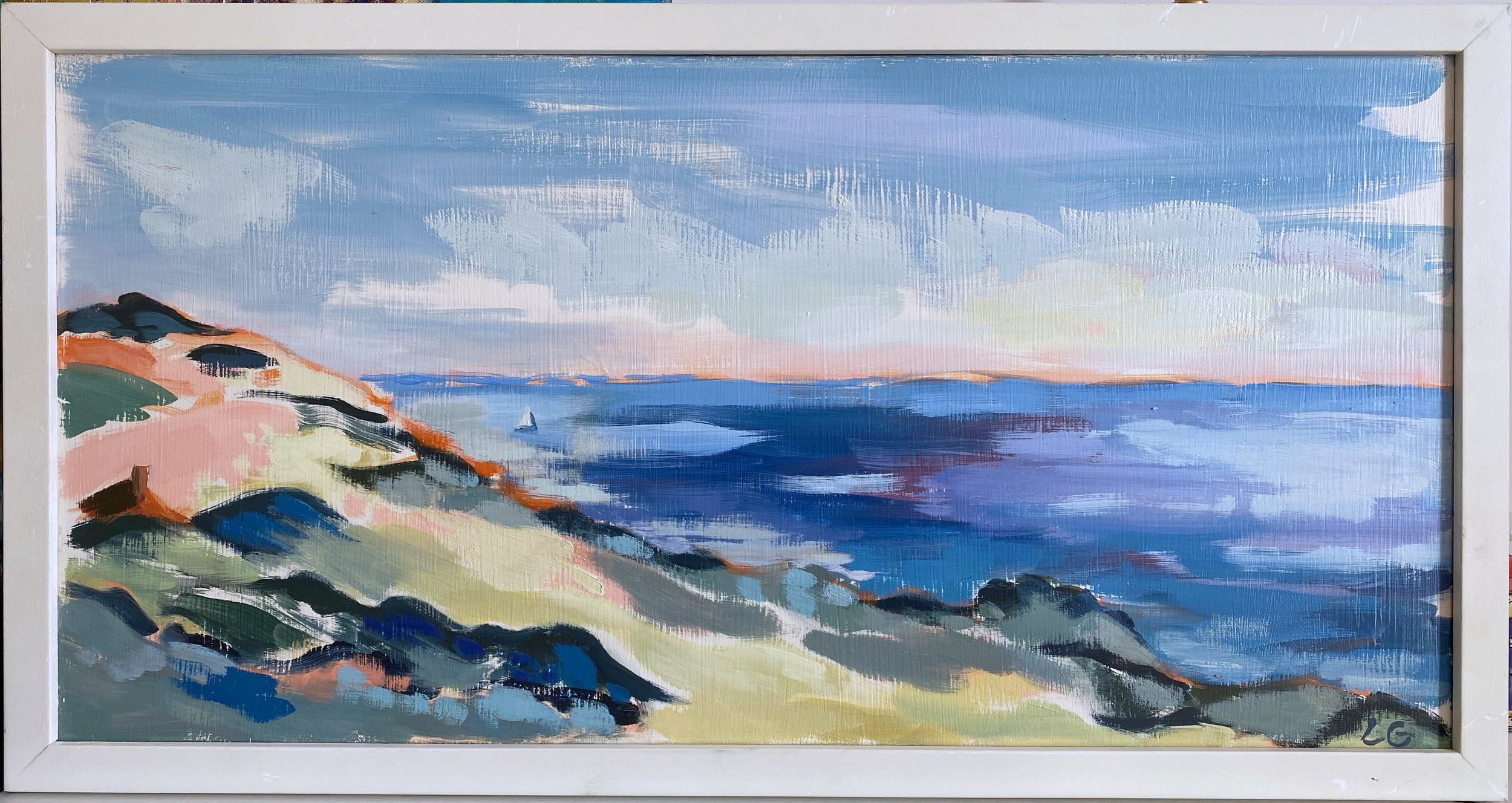
Treatment Steps
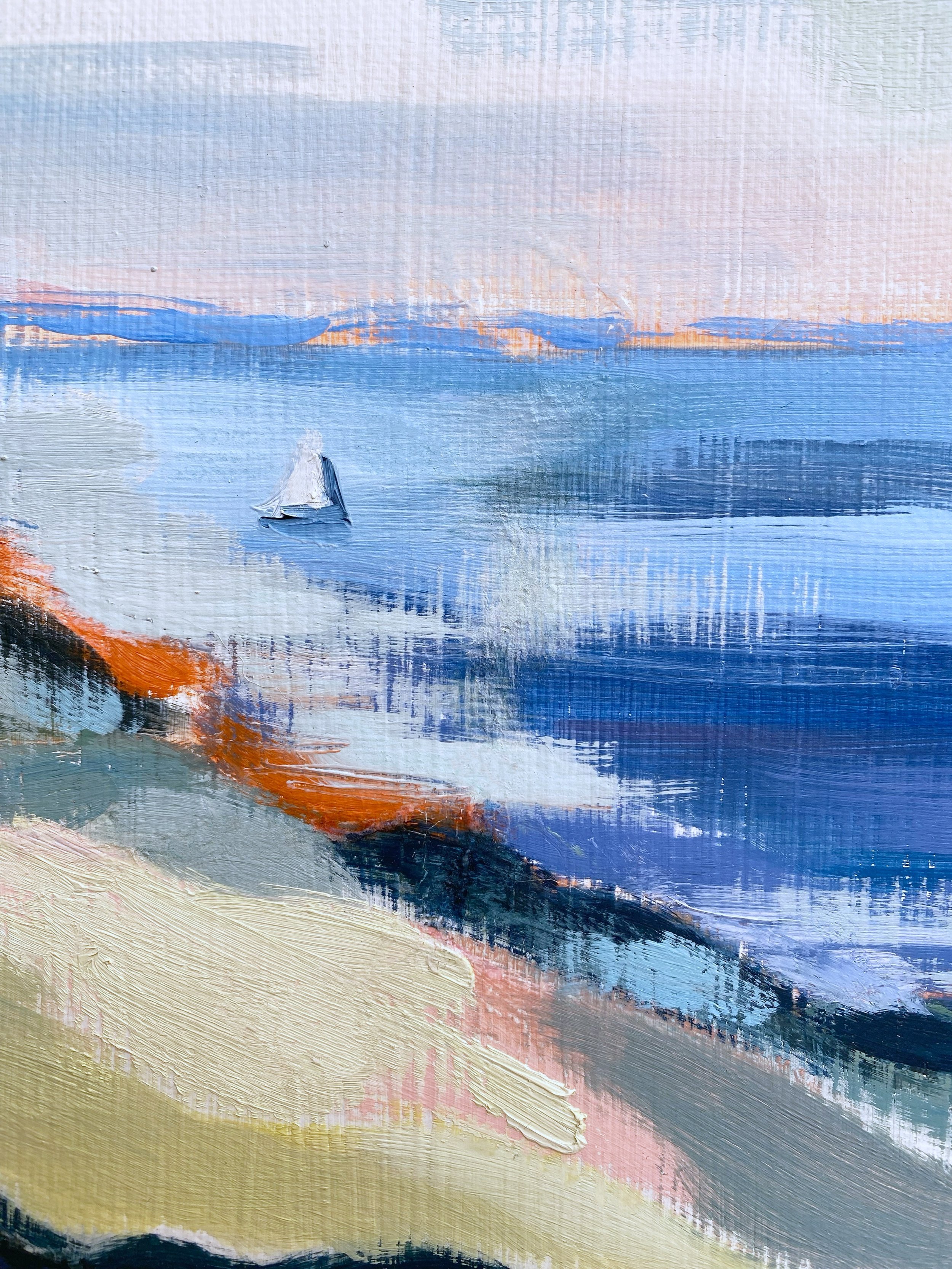
Structural Stabilisation & Tear Mending: The canvas fibers were carefully realigned under magnification to restore proper plane and tension. The tear was then bridged and stabilized using conservation-grade adhesives and structural reinforcement to secure the support matrix without adding unnecessary bulk.
Surface Preparation & Texture Rebuilding: A break in the paint film leaves a noticeable physical void. Before applying color, the loss was filled with a stable conservation medium. The fill was then meticulously hand-tooled to replicate the surrounding brushwork, impasto, and surface texture of the original paint layer.
Inpainting & Aesthetic Integration: Once the surface profile was seamless, retouching was carried out using lightfast, non-yellowing conservation pigments. Inpainting was isolated strictly to the areas of loss, carefully matching the surrounding oceanic hues, light values, and atmospheric tones to integrate the repair completely into the composition.
Preserving Fine Art Under Any Circumstance
Restoration requires a careful balance of structural mechanics, chemical safety, and fine artistic judgment. Whether an artwork suffers damage from environmental wear, accidental handling, or the occasional uninvited spectral visitor, proper conservation treatment ensures the piece can be safely enjoyed for generations to come.